Laser
Correct, Resurface, and Rebuild, With Clinical Precision.
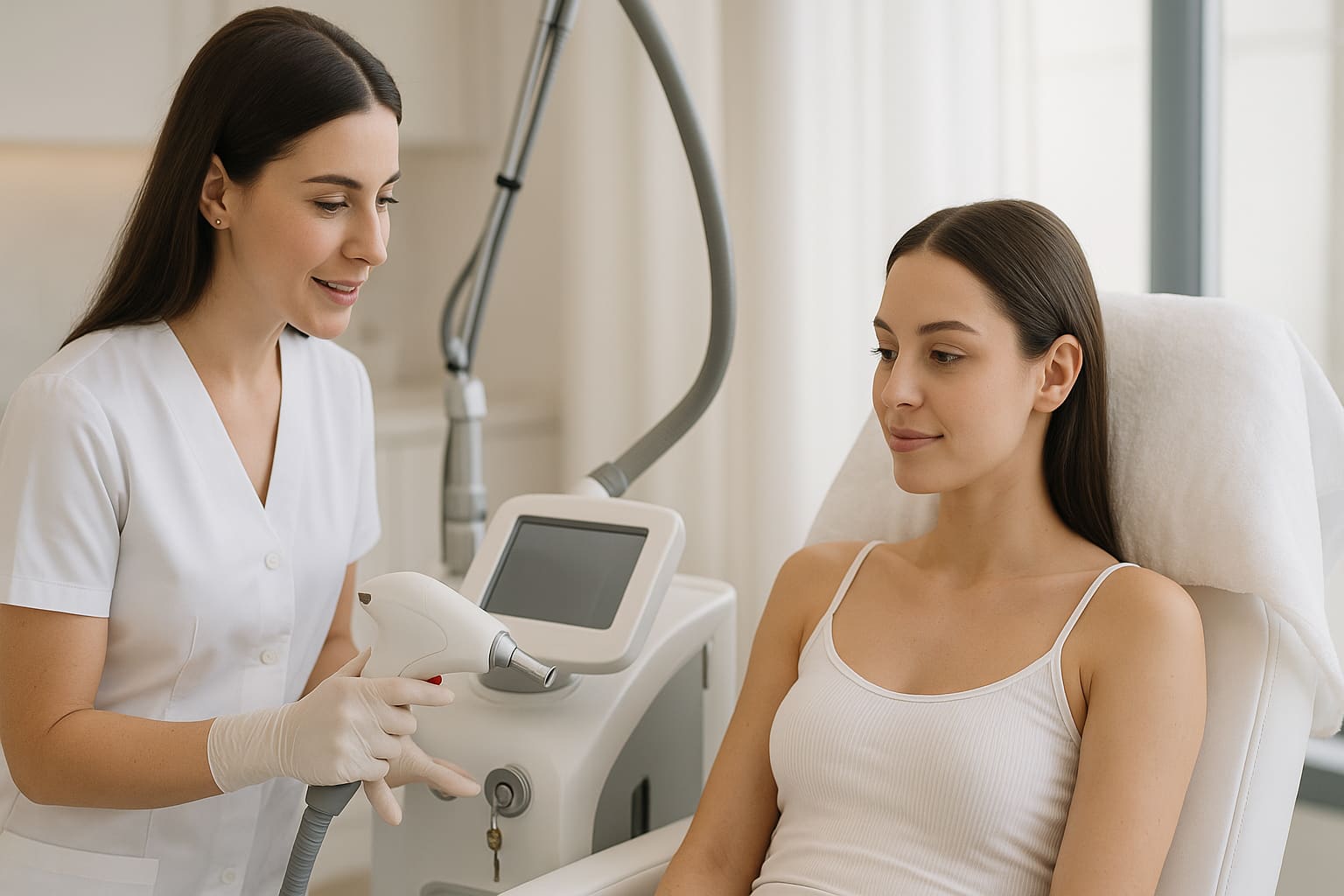
Laser treatments work at the cellular level, targeting pigment, texture, scarring, and collagen renewal. They only deliver safe, effective results when the right device is matched to the right skin type with the right settings. A proper skin assessment before every session is not optional. That is where we always start.
What We Treat
A Clinically Calibrated Range of Laser Applications
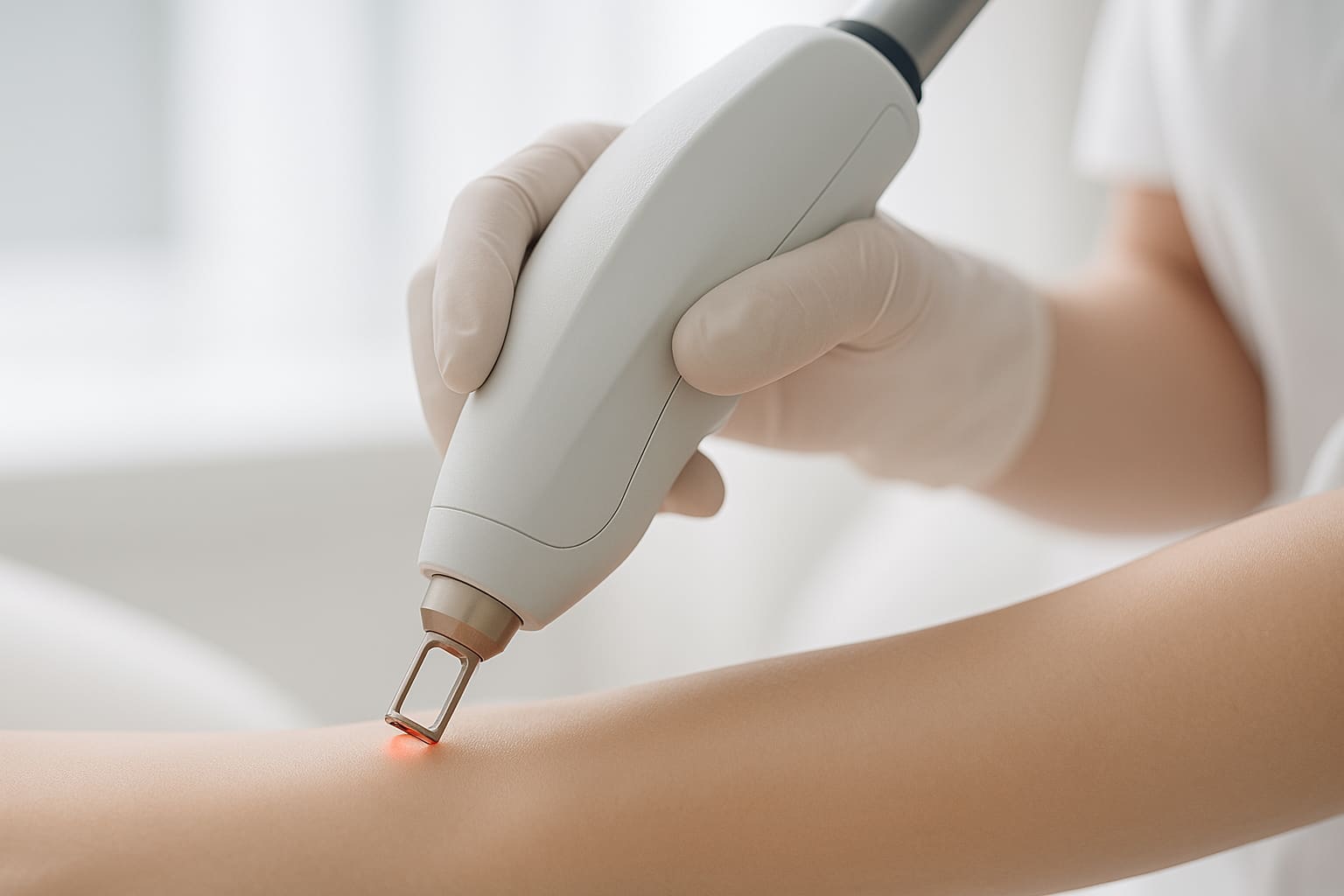
Laser protocols are individually designed for each patient's skin tone, concern history, and goals. Safe and effective treatment requires calibration to your Fitzpatrick skin type, not a one-size protocol applied to everyone.
- Skin resurfacing for texture refinement and pore reduction
- Pigmentation and sun damage correction
- Scar appearance improvement
- Collagen stimulation and skin tightening
The Full Treatment Map
Explore Treatment Types
This page covers one part of the broader Beauty Medica treatment system. Compare the main treatment types and the ones most often paired with this one.
Neuromodulators
Botox and similar wrinkle-relaxing treatments for movement-driven lines, tension patterns, and full-face balancing.
Explore this pathHyaluronic Acid Fillers
The lead category when support, contour, lip shape, projection, or structure loss is the real driver.
Explore this pathCurrent path
Laser
A core category for texture, tone, pores, early photoaging, and device-based resurfacing.
Skin Quality
The umbrella category for texture, pores, acne scarring, tone, firmness, smoothness, hydration, lines, peels, and skin boosters.
Explore this pathPhased Planning
Used when one category alone will not keep the final result balanced across face, neck, and other zones.
Explore this pathSkin-quality concerns that often lead into laser
Laser stays inside resurfacing and skin-quality logic here, with named product visibility only where it truly fits.
Concern
Texture
For roughness, uneven resurfacing, and skin that no longer looks smooth in natural light.
Texture problems often need resurfacing.
Concern
Skin Quality Loss
When the skin looks thinner, duller, rougher, or less responsive than it used to.
Often paired when resurfacing is needed too.
Concern
Tone
For uneven tone, dullness, and skin that looks less clear or even than it should.
Laser is often used when tone needs resurfacing help.
Concern
Pore Appearance
When enlarged pores or rough-looking skin texture are reading first.
Pore appearance usually improves through resurfacing.
Concern
Photoaging
For cumulative sun-driven skin change across tone, texture, and early collagen decline.
Resurfacing often leads when sun damage is cumulative.
Concern
Solar Elastosis
A skin-quality concern where elastin and collagen damage are often the real issue.
Laser often helps when texture and collagen damage need resurfacing support.
The Laser Treatment Process
Safety-first planning for predictable, consistent outcomes.
1. Skin Assessment
We assess skin type, Fitzpatrick classification, concern history, and candidacy for each protocol before selecting any device or setting.
2. Patch Test (if indicated)
When appropriate, patch testing confirms safe and effective parameters for your skin before a full treatment session.
3. Comfortable Session
Topical numbing and protective eyewear are used as needed. Sessions range from 15 to 60 minutes depending on modality.
4. Aftercare and Progress
Results build over a series with clear post-care guidance between sessions. We monitor your skin's response and adjust as needed.
15-60
Minute sessions
Safe
For all skin tones
3-6
Sessions typical
Consult
Protocol matched to your skin
Laser Treatment FAQ
Evidence-based answers before your first session.
Is laser safe for darker skin tones?
Yes, with the right device and the right settings. Protocol and device selection are assessed individually. We never apply a standard setting to all patients.
How many sessions will I need?
Most concerns improve over a series. Exact session count depends on your treatment goals, skin response, and the modality being used.
Does laser hurt?
Most patients describe warmth or brief snap sensations. Numbing options are available for more intensive protocols.
Can I tan before treatment?
No. Active tanning before and after sessions significantly increases risk. We'll discuss your sun exposure history and pre-treatment timing at your consultation.
What is downtime like?
It ranges from minimal redness resolved within hours to several days of surface healing, depending on treatment depth and your skin's response.
Why does medical-grade laser planning matter?
Laser safety depends entirely on the right device, the right settings, and the right training, all calibrated to your skin tone. A complimentary consultation determines whether laser fits your concern, which protocol belongs in the plan, and how to time treatment safely around recovery and sun exposure.
Start With a Laser Assessment
A skin assessment determines which protocol fits your concerns, skin type, and treatment timeline, not a generic recommendation.