Skin Boosters and Exosomes: What They Are, What They Are Not, and What to Ask First
Patients often arrive with a treatment name they heard online. This guide explains how skin boosters, exosomes, Gouri, and related treatments fit inside a broader Skin Quality plan.
beauty-medica
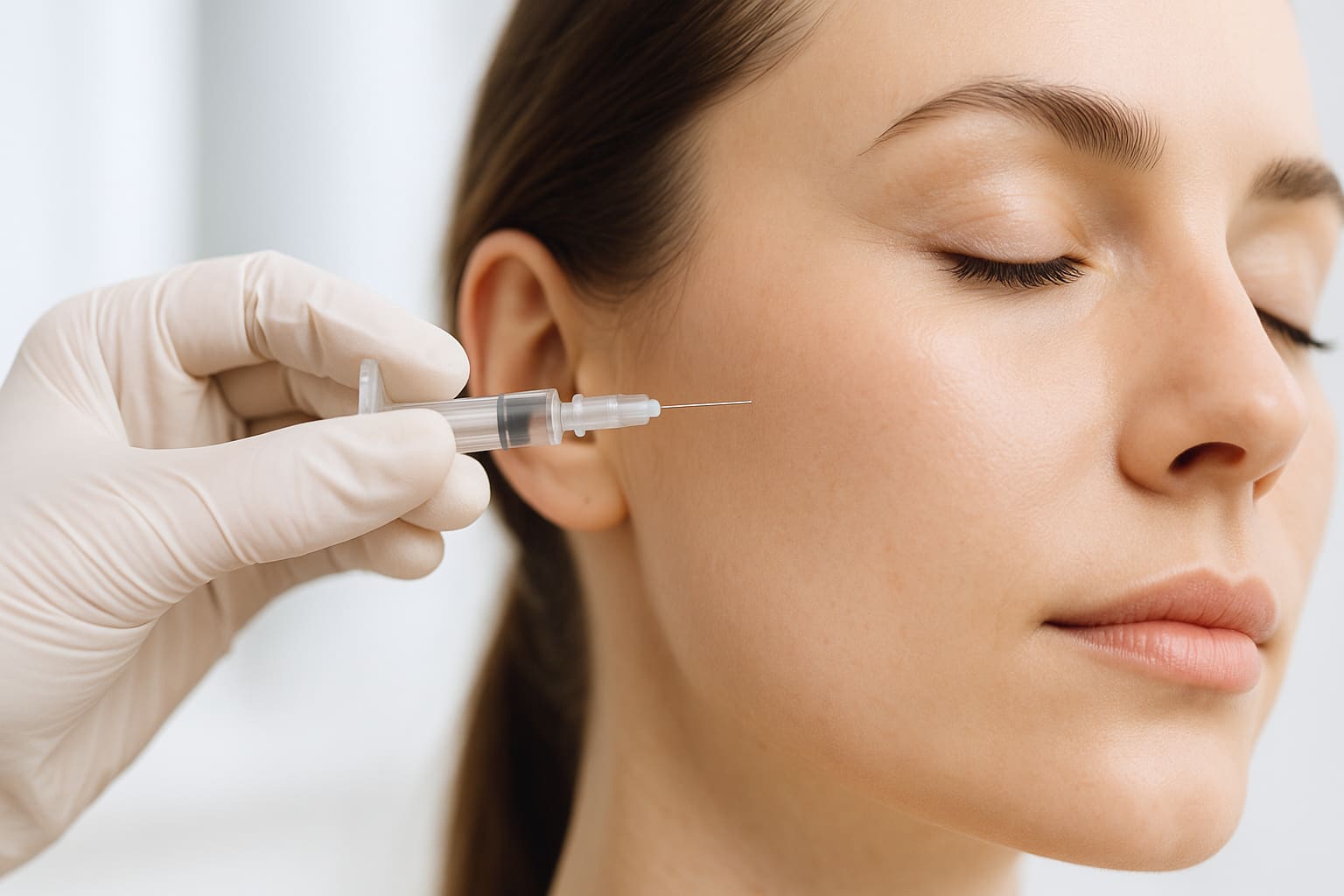
- Skin boosters are a broad planning category for injected skin-support treatments, not one single product.
- Exosomes are a treatment name patients hear often, but the word alone does not prove quality, safety, or fit.
- Gouri, mesotherapy, Profhilo-style hydration searches, peptides, and exosomes should be translated into plain skin problems before choosing treatment.
- After GLP-1 or other weight-loss changes, skin quality and facial support should be evaluated together instead of automatically filling every hollow.
- Texture, pores, pigment, acne scarring, hydration, crepey skin, and solar elastosis may need different first moves.
- A good consultation should explain what is being used, where it comes from, why it fits, and what may work better first.
Patients often arrive with a word they saw online: exosomes, Gouri, Profhilo, skin boosters, peptides, growth factors, mesotherapy, or hydration injections.
That is a reasonable place to start. It should not be where the decision ends.
The more useful question is not, “Do you have the thing I saw?” It is: what is my skin actually asking for, and which treatment should lead?
Skin boosters are a category, not a single answer
Skin boosters are injected skin-support treatments used when the goal is to improve skin quality rather than change facial shape. Depending on the product and protocol, the conversation may include hydration, resilience, glow, firmness, crepey texture, early collagen support, or skin that looks depleted.
That makes skin boosters different from traditional filler planning. A filler conversation usually asks whether structure, contour, or volume needs support. A skin booster conversation asks whether the skin itself needs help holding hydration, improving texture, or responding better over time.
This is also why the product name cannot do all the thinking. Gouri, Profhilo-style searches, exosomes, peptides, growth factors, and hydration-injection language may all bring a patient into the same general conversation, but they are not automatically interchangeable.
Plain English
What this category is usually trying to improve
- Skin that looks dry, dull, thin, or depleted even with good topical care
- Crepey skin on the face, neck, hands, or selected body areas
- Texture that makes makeup sit poorly or light reflect unevenly
- Early firmness or resilience concerns
- Solar elastosis or sun-related skin-quality change when the fit is appropriate
- Overall skin quality when the goal is improvement, not a dramatic shape change
Where Gouri fits
Gouri is the named option Beauty Medica is most likely to discuss when the concern is collagen quality, solar elastosis, crepey texture, or skin that looks weathered and less resilient.
That is different from asking for filler. Filler changes support, contour, and volume. Gouri belongs in a skin-quality and collagen-support conversation. It may be relevant when the skin itself is making the face look older than the structure underneath.
It also may not be the first step. If pigment, rough surface texture, acne scarring, or barrier irritation is driving the concern, the better first move may be peels, laser, microneedling, home care, or skin preparation before any injectable support.
Where mesotherapy fits
Mesotherapy is a broad word. It usually means small amounts of selected materials delivered into or near the skin. The problem is that the word does not tell you enough.
A responsible mesotherapy conversation should answer:
- What exactly is being used?
- Where did it come from?
- How is it stored and handled?
- Why is this product better than a simpler option?
- What skin problem is it meant to treat?
- What evidence or clinical reasoning supports the recommendation?
That is why Beauty Medica treats mesotherapy as a safety and fit question. It can connect to skin boosters, peptides, exosomes, Profhilo-style hydration, or Gouri, but it should not become a generic cocktail promise.
Where exosomes fit
Exosomes are one of the most searched terms in skin-quality treatment right now. The problem is that the word alone does not tell a patient enough.
The meaningful questions are more practical:
- What product is being used?
- What is the source and supplier quality?
- How is it stored and handled?
- Is it being used in a setting where the skin has been prepared appropriately?
- Is there a clearer first move for the concern I actually have?
Exosomes may be discussed inside a broader skin-quality plan, but they should not define the whole plan before the skin has been evaluated. The treatment name can start the conversation. It should not replace medical judgment.
What changes after GLP-1 or weight loss
GLP-1 medications and other weight-loss plans can produce meaningful weight change. The aesthetic issue is that the face and skin may reveal that change quickly. Some patients notice less cheek fullness, more shadowing around the mouth, thinner-looking skin, crepey texture, or a face that looks tired even though the weight loss was intentional.
That does not mean every hollow should be filled. It also does not mean every skin change should be treated with a trendy injection.
The practical skin-quality question is: what changed first?
- If the main issue is facial volume or support, filler or a broader facial-support plan may need to be discussed.
- If the main issue is thinner, drier, crepey, or less resilient-looking skin, skin boosters, Gouri, resurfacing, home care, or collagen-support planning may be relevant.
- If weight is still changing, timing may matter more than doing more treatment immediately.
- Medical questions about GLP-1 medications stay with the prescribing clinician.
This is where a staged plan matters. The goal is to support the skin and face without overcorrecting a moving target.
Who may be a fit
Skin boosters may be worth discussing when the main concern is skin quality rather than structure. That can include hydration, crepey skin, dullness, early firmness change, solar elastosis, fine texture, or a face/neck/hand area that looks less resilient than it used to.
The category can be especially appealing to patients who want practical improvement with manageable downtime. It may also be useful when the goal is gradual skin support rather than a procedure that announces itself.
Decision Filter
Best fit vs. not the first move
May fit when
- The skin looks depleted, thin, crepey, or less resilient.
- Hydration and glow are part of the goal, but topical care is not enough.
- Solar elastosis or collagen-quality change is part of the picture.
- The patient wants a practical, staged plan with manageable downtime.
May not be first when
- Pigment is the dominant issue and laser or peels should lead.
- Acne scarring or deeper texture needs resurfacing first.
- Pores and rough surface quality need a device or peel strategy.
- Structural support loss is the real driver and filler, Radiesse, Sculptra, or threads need to be discussed separately.
Why results vary
Skin quality is not one problem. Two patients can both say “my skin looks tired” and need completely different plans.
One may need resurfacing because texture and pores are driving the read. Another may need a peel series because pigment and tone are leading. Another may be a stronger candidate for injected skin support because hydration, crepiness, or resilience is the main issue. Another may need structural support before the skin-quality work makes sense.
That is why responsible planning starts with the driver, not the trend term.
What Beauty Medica looks at first
A Skin Quality consultation should sort the concern before choosing the product. At Beauty Medica, the discussion usually looks at:
- Skin thickness and resilience: whether the skin looks depleted, crepey, lax, or fragile.
- Texture and pores: whether surface irregularity should be treated with laser, peels, microneedling, or another resurfacing path.
- Pigment and tone: whether discoloration is the bigger visible issue.
- Hydration and glow: whether injected hydration or booster-style support may help.
- Sun damage and solar elastosis: whether collagen-quality change is part of the plan.
- Timing and downtime: how much recovery is realistic for the patient’s life.
- Product quality and handling: what is being used, why, and whether it is appropriate.
The goal is not to choose the newest-sounding option first. The goal is to choose the treatment that matches the skin problem.
How this compares with laser, peels, and microneedling
Skin boosters are not a replacement for every skin treatment. They sit inside the Skin Quality system alongside other tools.
Laser may be a better first move when pigment, sun damage, redness patterns, texture, or collagen remodeling needs a device-based approach.
Chemical peels may lead when tone, surface texture, acne-related congestion, or controlled exfoliation is the more direct path.
Microneedling or resurfacing treatments may be discussed when texture, pores, or certain scar patterns need a wound-healing response.
Skin boosters or injected skin support may be discussed when hydration, crepey quality, resilience, or selected collagen-support concerns are more relevant.
Often the answer is not one category forever. It may be a sequence.
Questions to ask before saying yes
Patient Safety
Useful questions before any skin booster or exosome treatment
- What exact product or material is being used?
- Is this the best first step for my skin concern, or just the term I asked about?
- What skin problem are we treating: hydration, texture, pores, pigment, firmness, crepey skin, or lines?
- Where does the product come from, and how is it stored and handled?
- What result is realistic for my skin, and what will not change from this treatment?
- Would laser, peels, microneedling, or another skin-quality treatment make more sense first?
- What downtime should I expect, even if it is minimal?
- How will we know whether to repeat, combine, or change direction?
Related treatment pages
For deeper browsing, start with the broader Skin Quality page, then compare Skin Boosters, Mesotherapy, Laser, Chemical Peels, Microneedling, Gouri, Exosomes, and Profhilo / Profilo.
The practical takeaway
If you are curious about exosomes, skin boosters, Gouri, Profhilo, or hydration injections, use the word you have heard. It helps start the conversation.
Then let the consultation do the more important work: identify what your skin actually needs, decide what should lead, and avoid treatments that sound exciting but do not match the problem.
That is the difference between trend-led treatment and medical skin-quality planning.
- FDA. Important Patient and Consumer Information About Regenerative Medicine Therapies.
- FDA. Certain bulk drug substances for use in compounding that may present significant safety risks.
- Injectable skin boosters in aging skin rejuvenation: a current overview. PubMed.
- Hughes et al. Sunscreen and prevention of skin aging: a randomized trial. Annals of Internal Medicine. 2013.
- FDA. Approval of Zepbound (tirzepatide) for chronic weight management.
beauty-medica
Related articles
Continue with another article from this section.
GLP-1 Face, Weight Loss, and Skin Quality: How to Support the Face Without Overfilling
A Beauty Medica guide to GLP-1 face, facial volume loss after weight loss, skin quality, Gouri, skin boosters, fillers, and conservative treatment …
Read article
Why Aesthetic Results Depend on Shared Vision, Not Just Products
Why credentials matter for safety, but artistry, listening, proportion, and shared aesthetic vision shape the final result.
Read article
Your Skincare Routine Did Not Fail. Your Hormonal Environment Changed.
When hormones shift, skin behaves differently in ways your routine no longer addresses. Here is what is actually happening and which clinical …
Read article