Women's Medical Aesthetics, Beauty Medica
What Do You Want to Improve?
Some patients want prevention. Some want refinement. Some want skin, lips, support, or a more rested expression. The plan starts with your goal, not your age.
Choose a Starting Path
Choose Your Starting Point
Start with the choice that matches the goal: first consultation, prevention-first planning, or skin and hormone-linked changes.
Prevention First
For prevention, refinement, and lighter-touch planning before bigger restoration becomes the focus.
Open This PathFirst Consultation Path
For first-time visits, uncertainty, or if you want a clear first step before treatment decisions.
Start HereSkin & Hormone-Linked Shifts
For postpartum, perimenopausal, or hormone-linked skin and structure shifts.
Read This FirstConcern-Led Treatment Paths
Use a Concern Path When the Goal Is Clearer Than the Treatment.
These guides help sort the first move when you know what you want to improve but not which treatment should come first.
Prevention First
For proactive planning and lighter-touch improvement without starting too much too soon.
Open This PathLines
For forehead lines, 11s, crow's feet, lip lines, or expression tension.
Open This PathPigment & Texture
For pigment, dullness, texture, or skin changes that need clearer sorting.
Open This PathJawline & Profile
For softer cheeks, under-eye hollowing, lower-face shift, or a jawline that no longer looks like yours.
Open This PathFace, Neck & Hands
When face, neck, and hands need one sequenced plan instead of isolated fixes.
Open This Path
Goal First
The Right Plan for What You Want to Improve
The smartest plan starts with the concern, not age alone. It depends on what is driving the goal: movement, skin quality, support, pigment, hydration, or proportion. Some plans are prevention-first. Some are restorative. Some are simply refinement.
One of the Most Noticeable Areas
When the Mouth Area Changes, the Whole Face Reads It
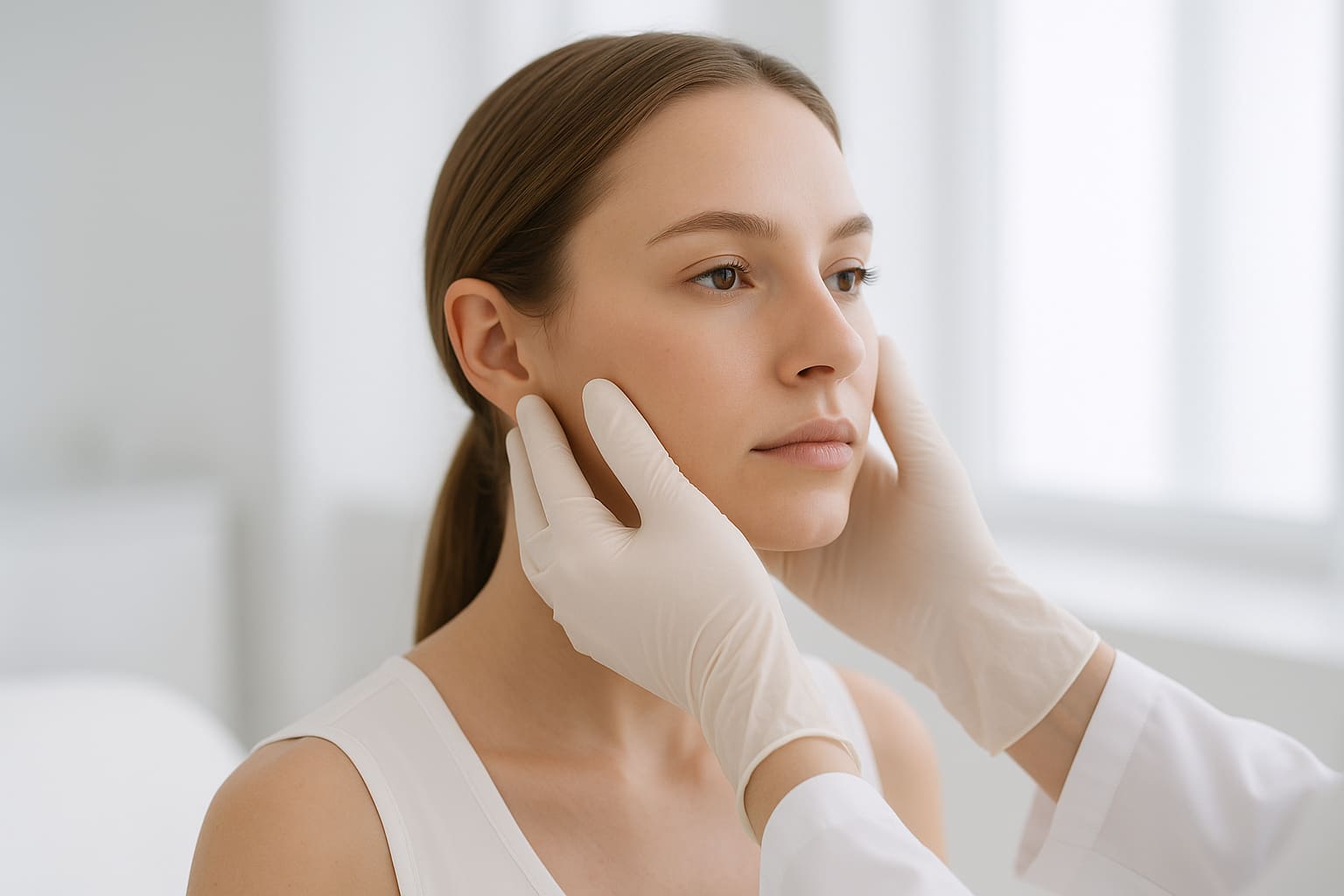
For women, the issue is often not that the lips need to be bigger. It is more often upper-lip lines, softer border definition, a flatter upper lip, or mouth corners that change the overall expression. Hormones, dehydration, and cumulative sun exposure can all contribute. Elena separates the lip body, border, and surrounding mouth area before choosing a tool. Botox can lead when movement is the driver. Peels or laser can lead when the surface above the lip is aging first. Filler belongs only when true support or volume loss is part of the picture.
- Use Botox when movement is aging the upper lip fastest
- Refine border definition without obvious volume
- Treat surface change above the lip when that is the real issue
- Choose differently for the lip body, the border, and the surrounding mouth area
- Keep structure products like Radiesse and Voluma focused on chin or lower-face support instead of softer lip-body work
The Conversation Most Practices Skip
When Skin Starts Behaving Differently
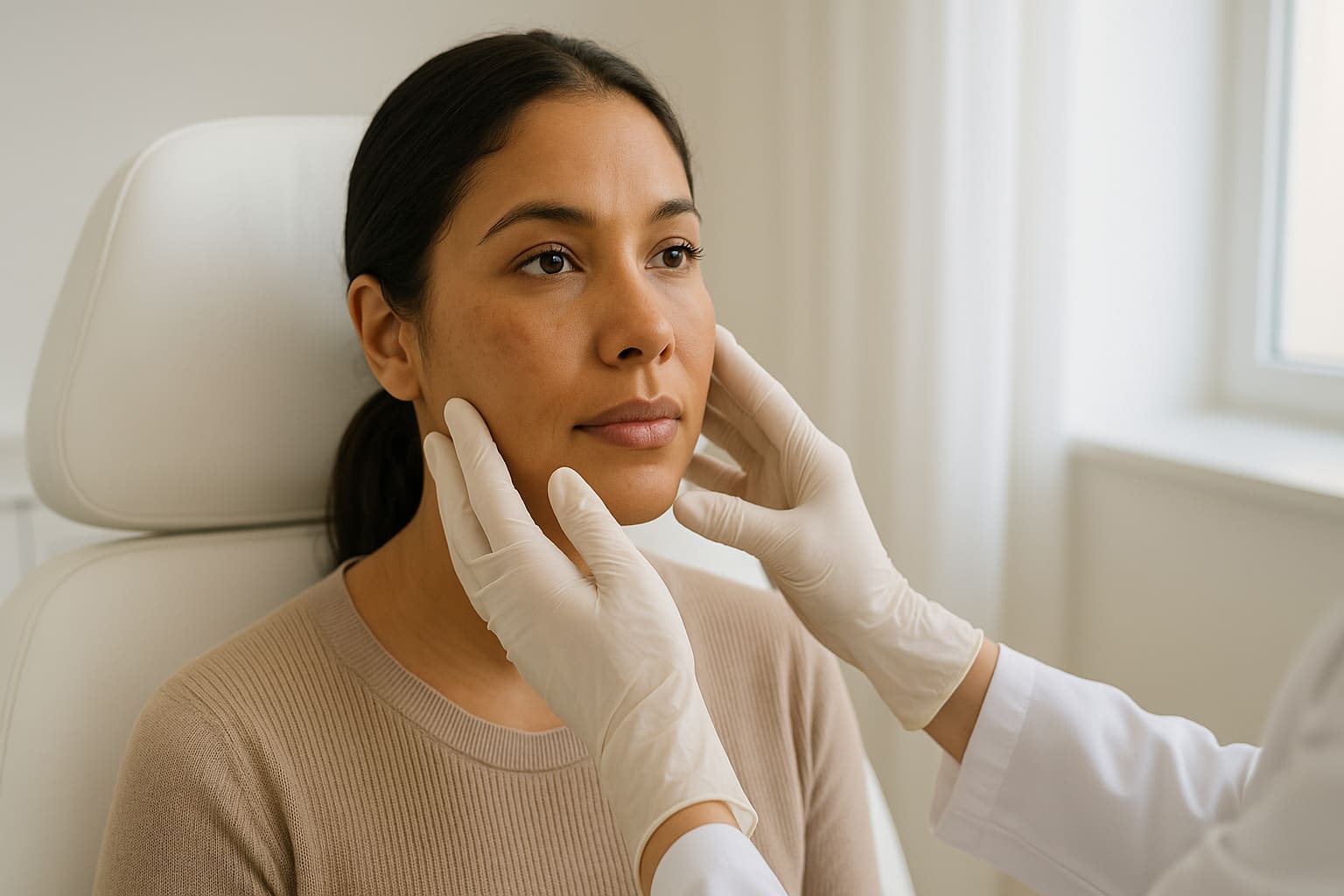
Pregnancy, postpartum, perimenopause, stress, sun, and inflammation can all affect hydration, pigment, collagen, and texture. Clinical treatments can help, but the right starting point depends on what your skin is actually doing now.
If the Shift Has a Pattern
Usually sounds like: “I want improvement, but I do not want to start too much too soon.”
Your clinician evaluates: expression strength, sun exposure history, skincare habits, and whether movement is truly starting to set into static lines.
Conversation often starts with: Prevention First →
Usually sounds like: “My skin looks dull, uneven, or more reactive than it used to.”
Your clinician evaluates: pigment pattern, barrier disruption, dehydration, and whether the issue is melasma, texture change, or recovery after stress and sleep loss.
Conversation often starts with: Pigment & Texture →
Usually sounds like: “My face looks softer, less defined, or less balanced and I do not know where to start.”
Your clinician evaluates: support loss, tissue descent, and whether filler, skin quality, or phased planning should come first.
Conversation often starts with: Jawline & Profile →
What Your First Consultation Looks Like
- 1
It Starts With Listening
Your consultation starts with your goals, concerns, and comfort level. There is no treatment pressure and no expectation that you already know what to ask for. Your clinician listens first, then maps what fits your priorities.
- 2
What's Real Versus What's Hype
You get a clear explanation of what is likely to work for your skin and anatomy, and what is mostly social media noise. You leave with realistic timelines and outcome expectations, not vague promises.
- 3
A Plan Built Around You
Nothing is one-size-fits-all. If a treatment is not right for you, your clinician will tell you. If there is a smarter starting point, they explain the clinical reason and how it supports your long-term result.
- 4
You Stay in Control
No treatment happens without full understanding and consent. You pause, defer, or say no at any point. Results are built at your pace, with your comfort and goals leading every decision.
If You Are Not Sure Where to Start
The first move depends on whether the change is expression-driven, support-related, skin-related, or happening across multiple zones.
| If You Notice... | Your Clinician Evaluates... | Conversation Often Starts With... |
|---|---|---|
| Early lines, prevention questions, or wanting to stay ahead without doing too much | Whether prevention or correction comes first, and whether low-drama support is actually indicated yet. | Prevention First → |
| The mouth area looks more lined, flatter, or less defined than the rest of your face | Whether the issue is movement, etched skin above the lip, border loss, mouth-corner pull, or true volume loss, and whether Botox, resurfacing, or a zone-specific filler plan should come first. | Neuromodulators →, HA Fillers →, or Skin Quality → |
| Lines, tension, or heaviness are changing your expression | Whether movement, support loss, or skin quality is creating the read. | Lines → |
| Pigment, texture, dullness, or hormone-linked skin shifts | How hormones, barrier change, pigment, and dehydration are affecting how the face is reading. | Pigment & Texture → |
| Softer support, under-eye hollowing, lower-face shift, or jawline change | Whether structure loss, descent, or phased planning should come first. | Jawline & Profile → |
Treatment Types
The Tools We Use for Women's Care
Most patients do not need every treatment type. The right tool depends on whether the concern is movement-driven, support-related, pigment-related, texture-related, or better handled in phases.
Neuromodulators
Botox and similar wrinkle-relaxing treatments for movement-driven lines, tension patterns, and full-face balancing.
Explore this pathHyaluronic Acid Fillers
The lead category when support, contour, lip shape, projection, or structure loss is the real driver.
Explore this pathRadiesse
A distinct structural product used in chin and lower-face support planning.
Explore this pathLaser
A core category for texture, tone, pores, early photoaging, and device-based resurfacing.
Explore this pathSkin Quality
The umbrella category for texture, pores, acne scarring, tone, firmness, smoothness, hydration, lines, peels, and skin boosters.
Explore this pathSculptra
A distinct collagen-stimulating product used when gradual support and broader restoration are part of the plan.
Explore this pathChoose the Change
Start With the Area That Feels Different
Mouth area
When the mouth reads older first
Lower face
Support and contour changes
Skin quality
Hormone-linked and skin-first shifts
Stories From Real Patients
Different goals, same pattern: clear evaluation first, then a plan that feels proportionate.
"I thought I needed something dramatic. Beauty Medica showed me what was possible with a calmer, more natural plan. I look like myself, just fresher."
"My skin looked dull and uneven no matter what I used at home. A peel and skin-hydration series brought my skin back. I look like me again."
"I came in after seeing something online and honestly not knowing what was real. Beauty Medica walked me through what works, what I needed, and what I did not. I left feeling informed, not sold to."
From the Journal
Reads for Common Decision Points

Why Aesthetic Results Depend on Shared Vision, Not Just Products
Why credentials matter for safety, but artistry, listening, proportion, and shared aesthetic vision shape the final …

Your Skincare Routine Did Not Fail. Your Hormonal Environment Changed.
When hormones shift, skin behaves differently in ways your routine no longer addresses. Here is what is actually …
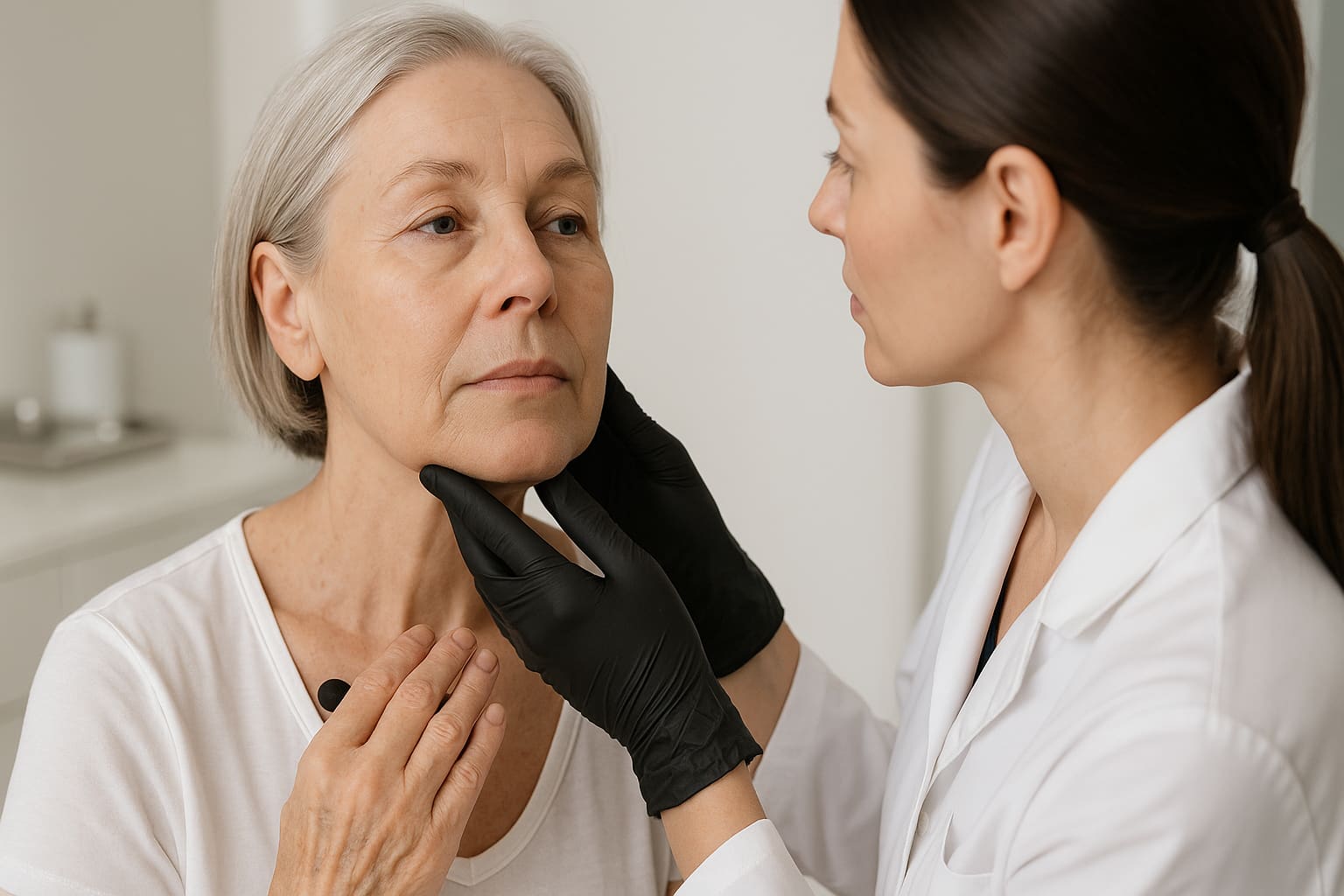
Women's Facial Aging Is Not Primarily About Skin. The Four Structures That Actually Drive It.
Women's facial aging is driven by four distinct biological changes — bone, fat, collagen, and hormones — each beginning …
Ready for a Clear First Step?
A consultation starts with your goals, your skin, and what actually fits.